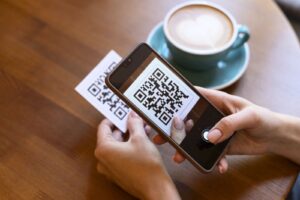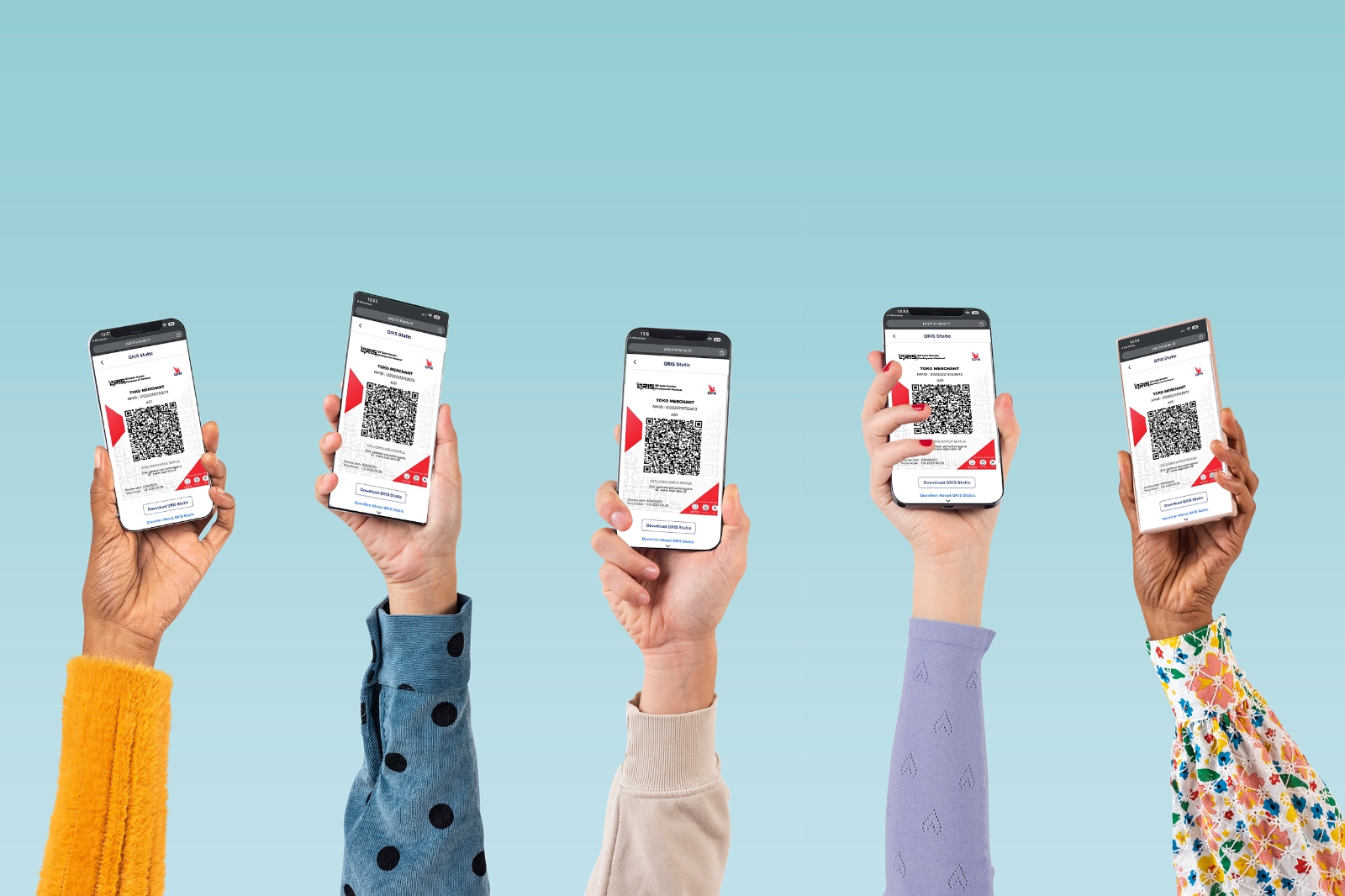
QRIS in Indonesia has become a breath of fresh air in simple digital payment, accommodating daily transaction needs. Both business owners and consumers have better access to digital payments without a high technical barrier.
Now, it is common to see consumers just scan the QR code to pay for their order at the street stalls. This condition demonstrates how QRIS in Indonesia are reaching the grassroots and becoming part of everyday life to accelerate a future cashless society.
The Beginning of QRIS in Indonesia
Initially, QR payment in Indonesia was processed using a different kind of QR code system. The code was created by a specific payment service provider and can only be used using their mobile app. For instance, a QR from Bank A can only be paid using the mobile banking app from Bank A.
This condition makes business owners have to prepare various types of QR codes from different banks or payment service providers to accept payment from their customers. There are cases where a customer cancels their purchase because their preferred QR payment is not available.
In 2019, on Indonesian Independence Day, Bank Indonesia launched QRIS as a standardized QR payment that applied to all kinds of QR payments in the country. This standardization allows customers to scan the QR code with any legal mobile payment app in Indonesia, including mobile banking and e-wallet.
This system allows business owners to just provide one standardized QR to accept payment. Consumers also get a better payment experience since the QR can be used to pay using any mobile payment application in Indonesia.
Also read: Stop Losing Money: The Hidden Cost of Manual Payment
Payment Behaviour
Let’s break it down from the business owners’ and consumers’ perspectives to get a comprehensive point of view on how QRIS in Indonesia affects users’ payment behaviour. From a business perspective, digital payment was viewed as complicated since it needs technical integration from an expert and not all kind of businesses has the resources to do so.
QRIS cuts the barrier to entering the digital payment system with simpler access to create and maintain the payment. Business owners can apply the QRIS from a payment service provider app such as Instapay. You can download the app from Play Store or App Store and apply your QRIS directly from the app.
All payments from the consumers will be recorded in real time and written on the app transaction page. You can also access older transaction data more easily from the app if needed. Since it is easy to access from the mobile application, business owners do not need to have a dedicated tech team to integrate and manage digital transactions.
From the customer’s perspective, QRIS is a payment technology that corresponds to the rapid growth of smartphone penetration in the country. Consumers are not mandatory to bring their physical wallet because all daily transactions can be directly carried out from their phones.
Typical QRIS transactions are also relatively faster than conventional cash payment since it can pay the exact amount of number without any change money. As long as there is an internet connection and a mobile payment app, consumers are good to go shopping. Some consumers, especially young people (Gen Z is a key user base), even create a meme on social media that it is a frightening moment if they can not pay using QRIS since they do not carry physical cash outside.
The Challenges
QRIS is widely used in Indonesia for diverse types of businesses. Ranging from a bigger-scale company with high sales volume to a smaller-scale business. It is essential to pay more attention to transaction security since it has a lower barrier to entry, makes people who lack tech proficiency possible use digital payment.
Practicality is an essential aspect of how this payment system works because it is used for daily transactions. Customers can scan the code from their phone, using a mobile payment application such as mobile banking or a digital wallet.
This practicality, unfortunately, creates a potential security risk in how this payment works. Smaller-scale businesses like MSMEs typically do not thoroughly check every proof of payment that the consumers show after paying for their order. Fraudsters take this gap to make fake proof of payments and show them to the business owners, acting as if they have already paid for the order, even though they have not.
That is why a secure mobile payment provider app is essential to maintain payment security, so MSME business owners can check their smartphone every time the payment is successful without relying on proof of payment that the consumers show. The app helps smaller businesses to avoid typical fraudsters in their daily transactions.